
Hollywood usually tries to keep its biggest movies out of each other’s way. Studios spend years positioning their blockbusters, protecting valuable release windows, and avoiding unnecessary competition. Apparently, nobody told Disney and Warner Bros.
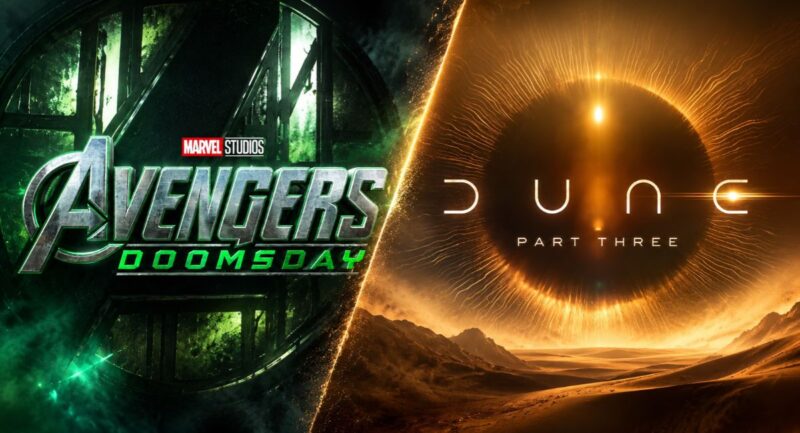
On December 18, 2026, Avengers: Doomsday and Dune: Part Three are scheduled to arrive in American theaters on exactly the same day. Two enormously expensive science-fiction spectacles, two established franchises, and two studios convinced their movie deserves one of the most valuable weekends of the year.
The competition has become even more interesting following the October 27 release of the final Dune: Part Three trailer. Warner Bros. is making its last major promotional push for Denis Villeneuve’s trilogy finale, while Marvel is preparing its own massive crossover event.
And neither is backing down. Disney’s official release information still lists December 18 for Doomsday. Warner Bros. is equally committed to that date for Dune: Part Three, with advance IMAX screenings already part of its release strategy.
We’ve reached the point where this looks less like a scheduling accident and more like two studios deliberately testing how much blockbuster entertainment audiences can consume in one weekend.
Personally, I’m fascinated by it. Not because I particularly enjoy watching studios compete over box-office records, but because the outcome could tell us something important about the future of theatrical releases.
Marvel Moved Into a Date Dune Already Had
The amusing part is that Warner Bros. didn’t create this confrontation. Dune: Part Three already occupied December 18 when Disney announced in May 2025 that Avengers: Doomsday would move from its original May 2026 release date to December.
Normally, that’s when the other studio starts looking at alternatives. Warner Bros. apparently saw no reason to.
According to TheWrap’s reporting on the collision, the studio’s confidence comes partly from the success of Dune: Part Two, which earned approximately $714 million worldwide.
That’s a substantial achievement for a relatively demanding science-fiction franchise. Denis Villeneuve has managed to turn Frank Herbert’s dense political and religious storytelling into genuine blockbuster entertainment without stripping away everything that makes it interesting.
And the third film has an obvious selling point: this is the conclusion of Villeneuve’s Dune trilogy.
Based on Dune Messiah, the story moves beyond Paul Atreides’ victory and examines what happens when the supposed hero becomes an emperor responsible for unimaginable suffering.
Our breakdown of the original Dune Messiah novel explores just how dramatically Herbert changes the direction of Paul’s story.
The final trailer for Dune: Part Three, released on October 27, offers another glimpse of Paul Atreides as an emperor confronting the consequences of his rule.
I actually think that makes Part Three a more intriguing proposition than another straightforward triumph over the Harkonnens. Marvel, meanwhile, has an entirely different situation.
Avengers: Doomsday brings Anthony and Joe Russo back to direct another enormous crossover, with Robert Downey Jr. returning to the MCU as Doctor Doom rather than Tony Stark.
The cast includes familiar Avengers, the Fantastic Four, and characters from the X-Men universe.
Marvel’s official Avengers: Doomsday trailer, released on July 20, offers a preview of the upcoming crossover and highlights the premium theatrical experience Disney is promoting ahead of its December 18 release.
It’s an extraordinary collection of recognizable faces, but it’s also a film carrying years of expectations about where Marvel goes after Endgame.
And there’s a meaningful difference between getting audiences excited about a cast announcement and convincing them that the story deserves their investment.
Dune Has IMAX. Marvel Has Another Plan.
Here’s where the competition becomes genuinely interesting.
Warner Bros. has secured the coveted IMAX screens for Dune: Part Three, leaving Avengers: Doomsday without the premium format that helped previous Avengers movies generate enormous theatrical revenue. That isn’t a minor advantage.
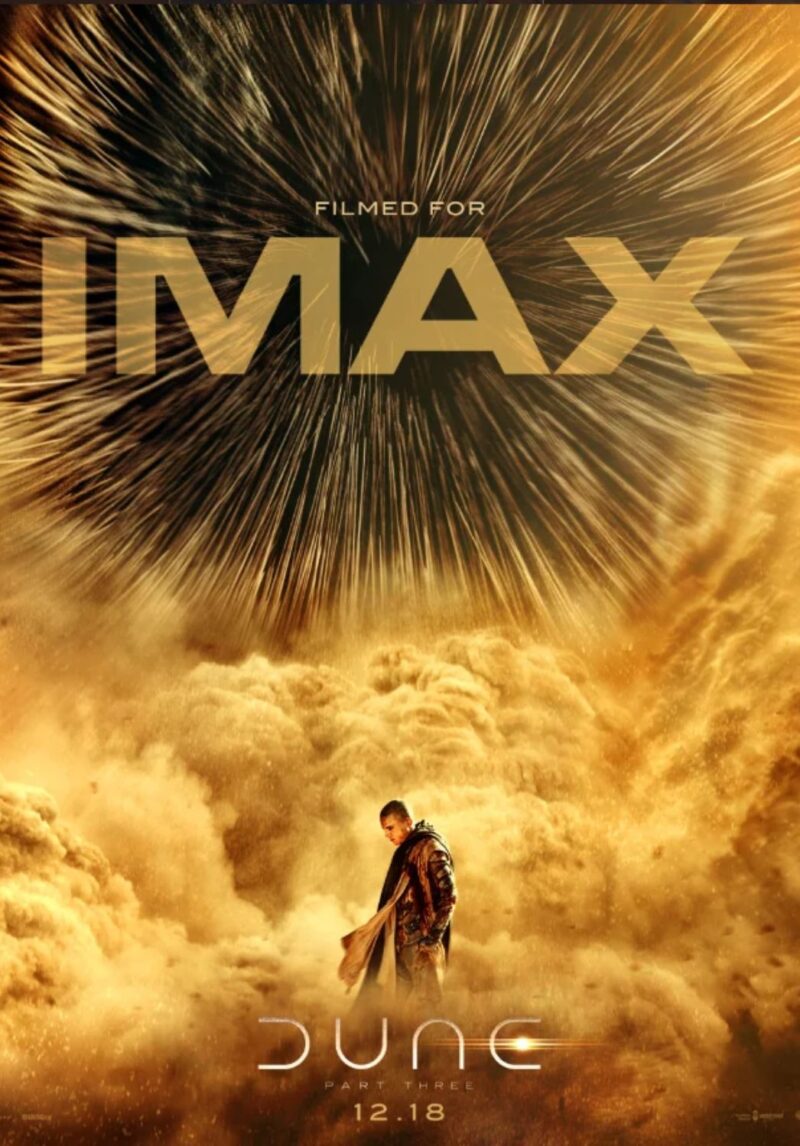
Villeneuve designs his films around scale, atmosphere, and visual immersion. IMAX describes Part Three as filmed specifically for its format, including sequences captured with IMAX film cameras.
If you’ve seen Dune: Part Two on an enormous screen, you probably understand why that matters. The cinematography doesn’t simply look attractive. It makes Arrakis feel like an actual place with an intimidating physical presence.
I would absolutely prioritize seeing Part Three in IMAX. But Disney hasn’t simply accepted that Marvel fans will have to settle for ordinary auditoriums.
Instead, it’s promoting Infinity Vision, a certification system for existing premium large-format screens that meet specified standards for projection, sound, and screen size.
As TheWrap explained in September, Disney is using the program to steer audiences toward alternatives such as Dolby Cinema and other premium theatrical experiences.
It’s an interesting solution to a problem Disney created by moving Doomsday into an already occupied release window.
The distinction is straightforward:
- Dune: Part Three gets IMAX and the cinematic prestige associated with Villeneuve’s filmmaking.
- Avengers: Doomsday gets a wider collection of alternative premium screens and Marvel’s enormous franchise recognition.
- Movie theaters get two major attractions competing for audiences, screens, and repeat visits throughout Christmas.
I suspect theater owners would prefer having too many people asking for tickets over struggling to fill auditoriums.
Still, deciding which film receives the larger screens and better showtimes could become quite complicated.
This Isn’t Another Barbenheimer
Naturally, people have already started calling the December confrontation “Dunesday.”
Robert Downey Jr. and Timothée Chalamet have even embraced the nickname.
And yes, the comparison with Barbie and Oppenheimer is entertaining.
But I think there’s a fundamental problem with assuming the same phenomenon will happen again.
Barbie and Oppenheimer were remarkably different movies. Their contrasting identities helped transform a shared opening weekend into a cultural event. Watching both became part of the joke.
Dune and Avengers have much more overlapping audiences.
Both attract science-fiction fans. Both depend on elaborate fictional worlds, established characters, and spectacular action. Both appeal to viewers who actively seek premium theatrical experiences.
Marvel’s promotional campaign is also experimenting with unexpected crossover moments. A recent baseball-themed teaser featuring the Fantastic Four and Doctor Doom demonstrates how the studio is trying to turn its enormous ensemble into a broader entertainment event ahead of December 18.
View this post on Instagram
That’s where the competition becomes uncomfortable.
Someone who wants to see Doomsday and Part Three might happily buy tickets for both. But they probably aren’t attending two enormous movies on the same evening, particularly when Christmas shopping, family commitments, and travel are competing for their time.
And even when audiences intend to watch both, intention doesn’t always translate into ticket sales.
One film will likely become the immediate priority. The other may have to depend on audiences returning a week or two later.
That makes word of mouth unusually important.
The Opening Weekend Might Not Decide Anything
December is different from most months at the box office. A summer blockbuster often relies on a huge opening followed by several weeks of declining attendance. The Christmas corridor gives successful movies an extended period when families are on vacation, and people have more opportunities to visit theaters.
A film that opens second can still become a massive financial success. We’ve seen audiences support multiple major holiday releases before. There’s no rule saying one blockbuster must fail because another opened alongside it.
And 2026 has other big franchise attractions leading into the holidays, including The Hunger Games: Sunrise on the Reaping, whose planned Katniss and Peeta epilogue offers another reason for established fans to return to theaters.
The concern isn’t necessarily whether audiences have an appetite for big movies, but whether every major release can secure enough attention and screen space.
A disappointing Doomsday could lose momentum despite a spectacular opening. A divisive Dune: Part Three could struggle to attract people beyond the established fanbase.
Or both could deliver exactly what their audiences want and enjoy strong theatrical runs through January. That’s the possibility I find most exciting.
Two Studios Are Betting on Something Bigger Than Opening Weekend
If I had to predict which movie would open higher, I’d choose Avengers: Doomsday.
Marvel has the broader commercial history, an immense ensemble cast, and Robert Downey Jr.’s return as a centerpiece of its marketing.
View this post on Instagram
But opening weekend isn’t necessarily the most interesting measurement here.
I’d be far more interested in which film audiences are still discussing, recommending, and buying tickets for three weeks after release.
Villeneuve has an opportunity to finish a trilogy with an unusually challenging story about power and its consequences. Marvel has an opportunity to demonstrate that its biggest crossover events can still command the cultural attention they enjoyed during the buildup to Endgame.
Neither opportunity guarantees success. And that’s why I don’t particularly want either studio to move.
For years, we’ve heard variations of the argument that theatrical moviegoing is in trouble, that audiences are increasingly selective, and that enormous franchises need carefully protected release dates to succeed.
Well, here’s an opportunity to test some of those assumptions. Two massive productions. Different creative ambitions. The same December weekend.
Maybe the competition hurts both films. Maybe it creates a theatrical event larger than either studio could have generated alone.
But if Dune: Part Three and Avengers: Doomsday both succeed, Hollywood might discover something it arguably should never have forgotten.
Audiences don’t necessarily have room for only one great movie at a time.
They just need movies worth leaving home for.