

HBO’s new Harry Potter TV show officially premieres on December 25, 2026, bringing audiences back to Hogwarts on Christmas Day.
The first season, titled Harry Potter and the Philosopher’s Stone, will consist of eight episodes devoted entirely to J.K. Rowling’s first novel.
The series will air on HBO and stream on HBO Max in territories where the service is available. It’s arriving earlier than the previously anticipated 2027 release, with a completely new cast and a considerably different approach to adapting the books.
Eight episodes for the first Harry Potter story is a particularly interesting decision. The original movie managed to introduce Hogwarts, establish its central friendships, and tell a satisfying adventure in roughly two and a half hours.
HBO now has an entire television season to cover that same material. That’s an exciting opportunity, although I think it also creates the show’s first serious challenge: finding enough worthwhile storytelling to justify all that additional time.
Eight Episodes Could Give the First Harry Potter Book Room to Breathe
One of the biggest selling points of HBO’s adaptation has always been the possibility of exploring the books in considerably greater detail.
The original Harry Potter and the Philosopher’s Stone movie, directed by Chris Columbus and released in 2001, was an impressive introduction to the wizarding world.
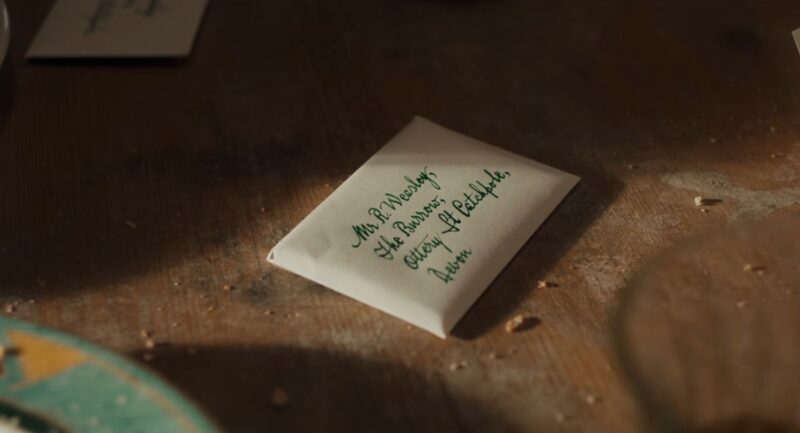
Its casting, production design, and overall atmosphere established a visual identity that remained recognizable throughout the franchise. However, even that first movie had to compress parts of the novel.
A television adaptation can spend more time developing Harry’s miserable childhood with the Dursleys, his early experiences at Hogwarts, and the gradual formation of his friendships with Ron and Hermione. Supporting characters can have more meaningful roles instead of appearing briefly before the story moves along.
Stephen King’s IT offers a particularly striking example of what can disappear when a sprawling novel becomes a movie. Our look at the differences between the IT novel and movies explores how much of King’s stranger mythology and darker storytelling never reached the screen.
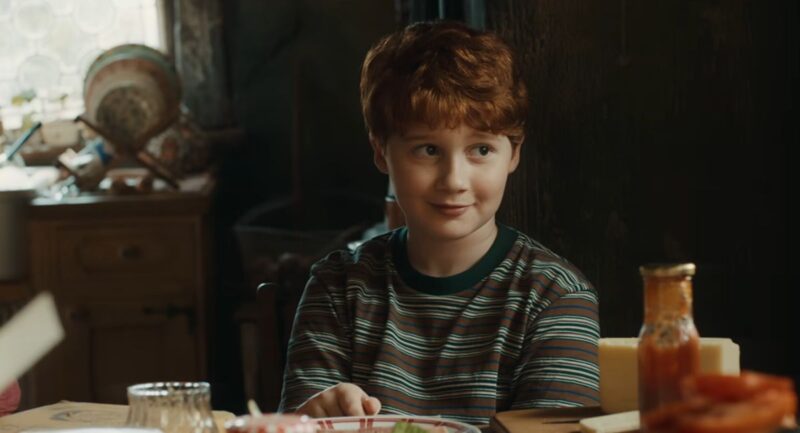
The additional time could also make Hogwarts feel more like an actual school. Classes, everyday routines, rivalries between students, and small character interactions are all important parts of what makes the books enjoyable.
Still, eight episodes is a substantial commitment for the shortest novel in the series.
There’s a difference between giving a story room to develop and stretching material simply because a streaming season needs filling.
The first book has a fairly straightforward narrative, and the filmmakers shouldn’t confuse including more details with automatically improving the adaptation.
I’d rather watch six excellent episodes than eight episodes containing two hours of unnecessary detours and/or fillers.
The New Cast Has Some Familiar Shoes to Fill
HBO has assembled an interesting combination of younger performers and established actors.
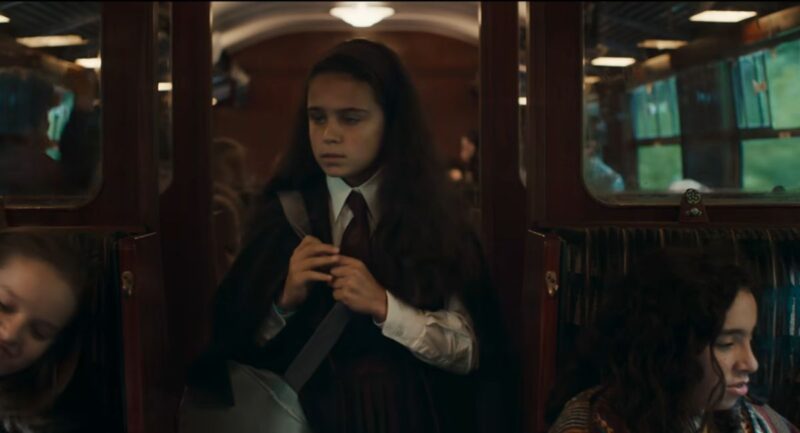
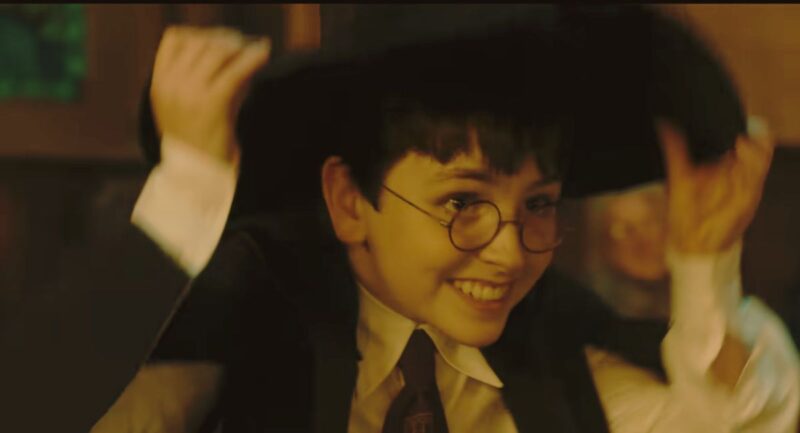
Dominic McLaughlin takes over as Harry Potter, with Arabella Stanton playing Hermione Granger and Alastair Stout portraying Ron Weasley.
The adult cast includes John Lithgow as Albus Dumbledore, Janet McTeer as Minerva McGonagall, Paapa Essiedu as Severus Snape, and Nick Frost as Rubeus Hagrid. Lox Pratt plays Draco Malfoy, while Warwick Davis returns to the wizarding world as Professor Filius Flitwick.
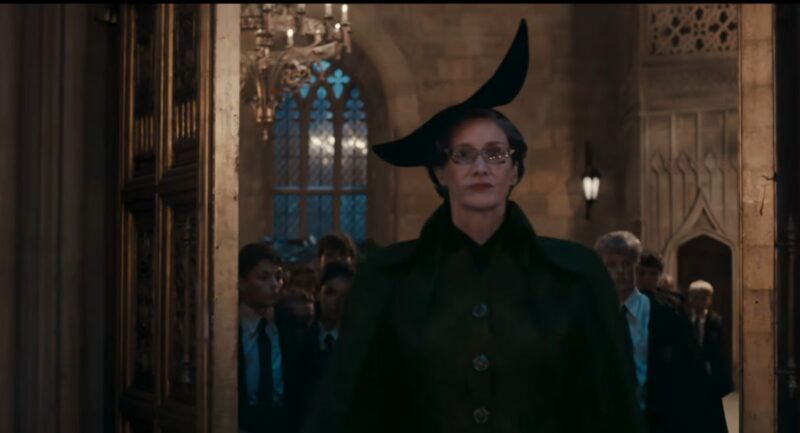
The casting immediately creates unavoidable comparisons with the movies, particularly for viewers who associate Harry, Ron, and Hermione with Daniel Radcliffe, Rupert Grint, and Emma Watson.
But constantly measuring the new performers against their predecessors would be a fairly pointless way to judge the show.
The television cast needs an opportunity to develop its own interpretation of these characters. Lithgow shouldn’t have to imitate Richard Harris or Michael Gambon to deliver an effective Dumbledore, just as Essiedu doesn’t need to recreate Alan Rickman’s performance as Snape.
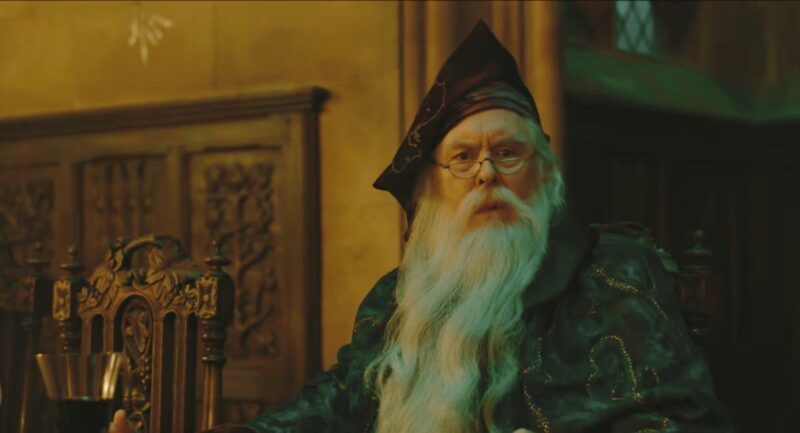
What matters much more is whether these actors establish believable relationships.
For me, the chemistry between Harry, Ron, and Hermione will be especially important. Their friendship is the emotional foundation of the entire story. Expensive sets and impressive magical effects won’t compensate if that central relationship doesn’t work.
HBO Has an Experienced Creative Team Behind the Series
The Harry Potter TV show is being written and executive produced by Francesca Gardiner, with Mark Mylod directing multiple episodes and serving as an executive producer.
Both have worked on HBO’s Succession, although that doesn’t necessarily tell us what their version of Hogwarts will look or feel like.
Mylod has experience directing character-focused television, and Gardiner’s involvement suggests HBO is approaching the adaptation as a substantial scripted drama rather than simply expanding the existing movies.
Hans Zimmer and Bleeding Fingers Music are also creating the new score.
That’s another interesting creative decision. John Williams’ themes are so closely connected to the Harry Potter movies that establishing a different musical identity won’t be easy.
That challenge becomes even clearer when you consider how John Williams’ music remained part of all eight Harry Potter films, despite the composer leaving the franchise after its third installment.
Personally, I’m glad the television series appears interested in developing its own creative personality. There isn’t much value in spending years producing a longer version of something audiences can already watch.
The September teaser offered another look at the new Hogwarts and its characters, following the first preview released in March.
HBO’s official teaser trailer offers a closer look at the new adaptation, including Hogwarts, its familiar characters, and the visual atmosphere of the upcoming series. Watch the footage below to see how the wizarding world is being reimagined for television.
A Christmas Day Premiere Makes Perfect Sense
HBO choosing Christmas Day for the Harry Potter premiere is a smart scheduling decision.
The franchise already has a strong association with the holiday season. The original films are popular seasonal viewing, and the early Hogwarts stories have a warmth that fits naturally with Christmas.
Launching on December 25 gives HBO an opportunity to introduce the series when families and longtime fans may already be revisiting the wizarding world.
There’s also an obvious commercial advantage. Harry Potter remains one of Warner Bros.’ most recognizable entertainment properties, and the studio is positioning this adaptation as a major long-term television project.
However, the Christmas release also places considerable expectations on the premiere.
The original films are still readily available, and audiences already know the characters and major story developments.
Familiarity might encourage people to watch the first episode, but it won’t necessarily keep them invested for an entire season. That’s where HBO needs to deliver something the movies couldn’t.
More time exploring the relationships, atmosphere, and everyday life of Hogwarts could make returning to this world worthwhile. Merely reproducing iconic scenes with different actors would be considerably less interesting.
The First Season Is Only the Beginning
HBO has already confirmed a second season adapting Harry Potter and the Chamber of Secrets, with production preparations moving forward before the first season’s premiere.
The larger ambition is to adapt the original seven novels across a long-running television project.
That presents some complicated production challenges, particularly because the three central actors will continue growing older during filming.
The books also become substantially longer and more complicated as the series progresses. Later installments contain additional characters, overlapping storylines, and darker material that should benefit from television’s expanded storytelling possibilities.
In some ways, I think those later books offer a stronger argument for a television adaptation than the first one.
The challenge with Philosopher’s Stone is almost the opposite. Its relatively simple storytelling is part of its appeal, and expanding it without weakening its momentum requires considerable discipline.
A successful first season needs to establish the characters and Hogwarts while remaining entertaining on its own terms. It shouldn’t feel like eight episodes of preparation for the more complicated stories arriving later.
Can HBO’s Harry Potter Justify Another Adaptation?
I don’t think the existence of another Harry Potter adaptation is inherently a bad idea. Familiar stories can work extremely well when filmmakers approach them from a genuinely different perspective.
But I also don’t believe greater fidelity to a book automatically produces better television.
Some scenes work beautifully on the page and become tedious when reproduced too literally on screen. Others benefit enormously from additional time, especially when strong performances reveal aspects of characters that a faster adaptation couldn’t properly explore. That’s the balance HBO needs to find.
The Christmas Day premiere should generate plenty of attention, and the eight-episode format offers genuine creative possibilities. The casting and production team give the series a promising foundation.
Whether it succeeds will depend on something less complicated than its budget, release strategy, or connection to an enormously successful franchise.
HBO needs to make Hogwarts feel worth discovering again. Not because viewers have forgotten the original movies, but because this version has found something worthwhile to add.